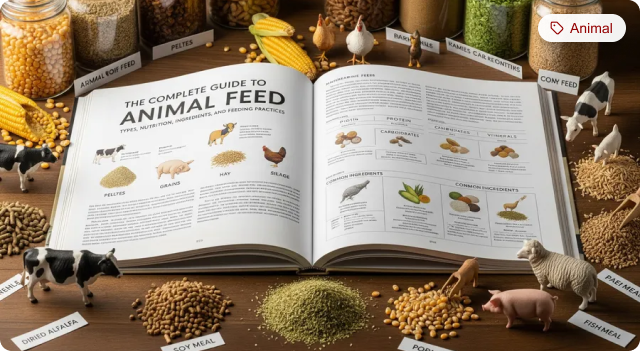
The Complete Guide to Animal Feed: From Nutrition to Feeding Practices
Whether you are managing a commercial livestock operation or caring for a small hobby farm, the foundation of animal health is the feed. High-quality nutrition doesn’t just keep animals alive; it drives productivity, immunity, and overall longevity.
This guide breaks down the essential components of animal nutrition and the best practices for implementing them.
1. Primary Types of Animal Feed
Not all feed is created equal. Feed is generally categorized based on its fiber content and energy density.
-
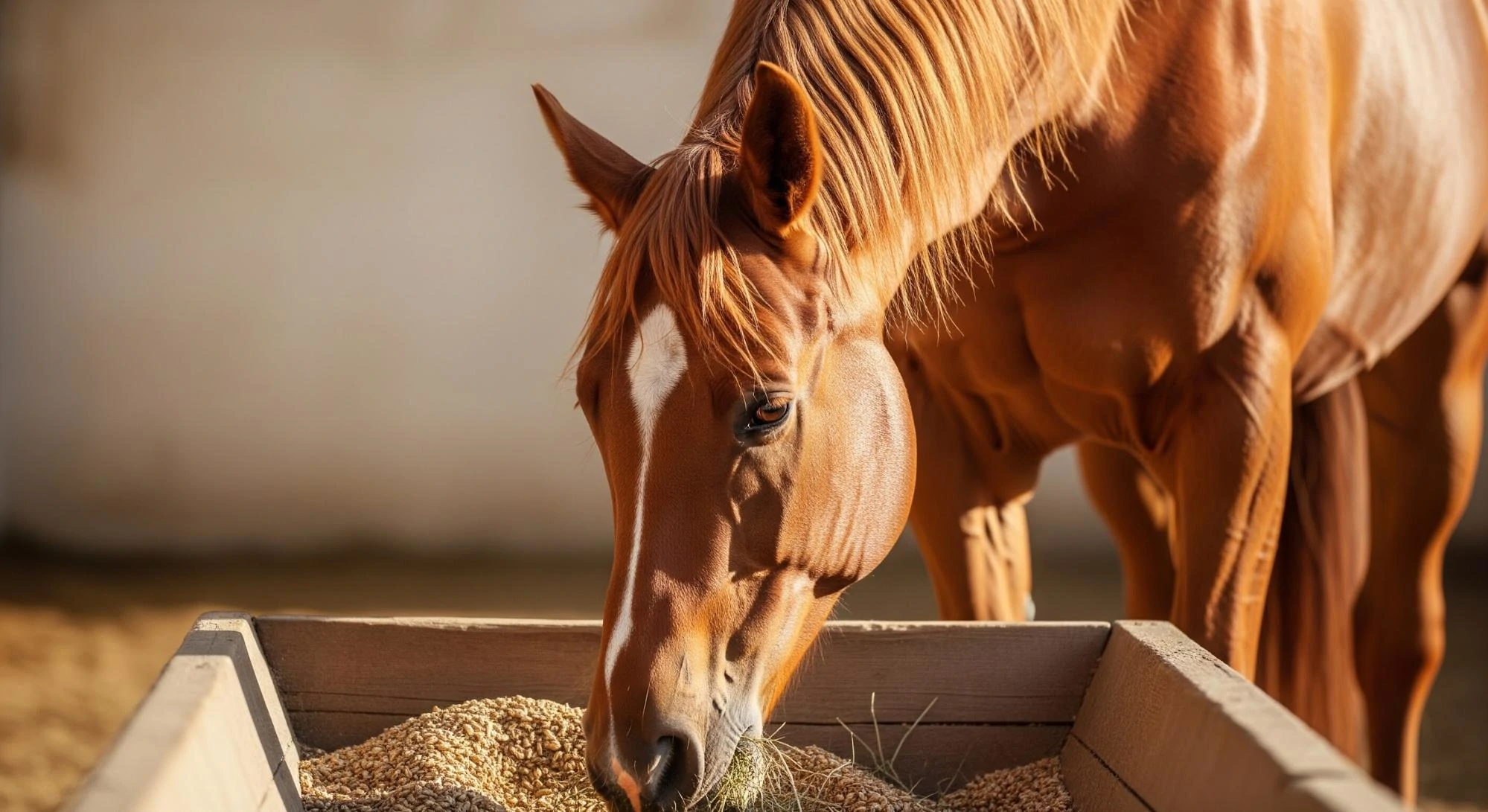
Forage (Roughage): These are high-fiber materials like pasture grass, hay, and silage. They are the “bread and butter” for ruminants (cattle, sheep, goats) and horses.
-
Concentrates: High-energy or high-protein feeds used to supplement forages. This includes cereal grains (corn, oats, barley) and protein meals (soybean meal).
-
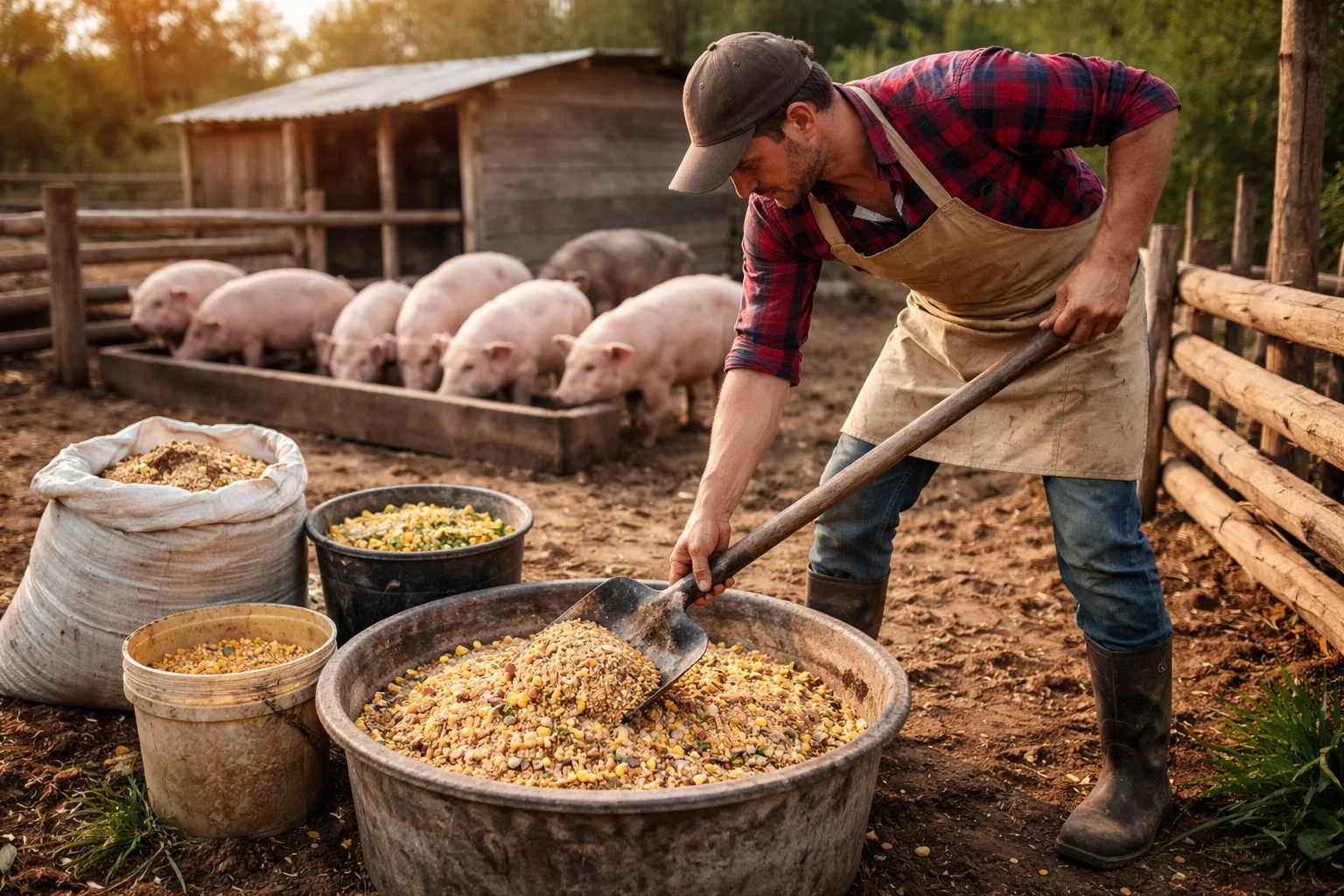
Complete Feeds: A scientifically formulated mixture that contains all the necessary nutrients in a single bag, common in the poultry, swine, and pet industries.
2. Essential Nutritional Components
To thrive, animals require a balanced intake of these five core categories:
Energy (Carbohydrates and Fats)
Energy is the fuel for movement and metabolic functions. In feed science, we often measure this as Total Digestible Nutrients (TDN).
-
Sources: Corn, sorghum, and vegetable oils.
Protein
Essential for muscle growth, milk production, and tissue repair. We look closely at Crude Protein (CP) and the profile of amino acids.
-
Sources: Soybean meal, alfalfa hay, and cottonseed meal.
Minerals
Divided into Macrominerals (Calcium, Phosphorus, Magnesium) and Microminerals (Zinc, Copper, Selenium). These support bone density and enzyme function.
Vitamins
Critical for vision, reproduction, and immune health. Vitamins A, D, and E are the most commonly supplemented in livestock diets.