Product Page

Recommended

Pet Food

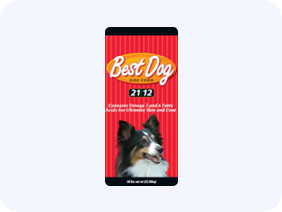
Showtime Premium 21/12

Showtime Premium 21/12 is a balanced maintenance formula designed for adult dogs with lower activity levels or those prone to weight gain. With a 21% protein and 12% fat ratio, it provides essential daily nutrition in a lighter, calorie-conscious blend.

Pet Food

Showtime Premium 24/14 Poultry & Rice

Showtime Premium 24/14 Poultry & Rice is a highly digestible, everyday formula designed for adult dogs with average to high activity levels. Featuring poultry as a primary protein source and rice for gentle digestion, this 24% protein and 14% fat blend offers balanced nutrition for optimal maintenance.

Pet Food

Showtime Premium 27/16

Showtime Premium 27/16 is a versatile, high-protein formula designed for active adult dogs that require strong muscle support but benefit from a moderate fat level. With a 27% protein and 16% fat ratio, it strikes the perfect balance for maintaining lean mass and consistent energy levels in everyday working dogs and athletes.

Pet Food

Showtime Premium 24/20

Showtime Premium 24/20 is a high-fat, moderate-protein formula designed for active dogs that require concentrated energy without excessive protein levels. Featuring a 24% protein and 20% fat ratio, it is the ideal choice for maintaining body condition in “hard keepers” and dogs with high caloric needs.

Black Oil Sunflower Seeds (BOSS)

The ultimate high-protein, high-fat supplement for birds and livestock. Black Oil Sunflower Seeds (BOSS) feature thin shells and oily meat, providing a concentrated burst of energy and essential fatty acids for a shiny coat and vibrant plumage.

Crude Protein, Min

Crude Protein, Min

Crude Protein, Min

Description

Black Oil Sunflower Seeds are the “superfood” of the animal world. Unlike large striped sunflower seeds, the black oil variety has a much higher oil content (primarily linoleic acid) and a thinner hull, making them easier to crack and digest for a wide variety of species.

For wild bird enthusiasts, these seeds are a “universal” attractant, bringing everything from cardinals and finches to nuthatches and woodpeckers to the feeder. For livestock owners, BOSS is a secret weapon for improving body condition. The high fat content promotes a “show-ring” shine on horse and cattle coats, while the protein supports muscle health. Additionally, when fed to laying hens, the extra fat helps maintain egg production during cold winter months and results in darker, richer yolks.

Reviews

There are no reviews yet.

Be the first to review “Black Oil Sunflower Seeds (BOSS)”

Your email address will not be published. Required fields are marked *

Feature Specification / Benefit
Crude Protein Min 15.0% (Supports muscle and feather growth)
Crude Fat Min 25.0% – 30.0% (Dense energy for heat and shine)
Crude Fiber Max 25.0%
Linoleic Acid High Omega-6 fatty acids for skin and coat health
Thin Hull Higher meat-to-shell ratio than striped sunflower seeds
Caloric Density Helps animals maintain weight during extreme cold
  • 100% Whole Black Oil Sunflower Seeds

  • Wild Birds: Feed alone in a tube, hopper, or platform feeder, or mix with millet and cracked corn to create a custom birdseed blend.

  • Horses: Top-dress 1/2 to 1 cup daily onto their regular grain to improve coat condition and hoof health.

  • Poultry: Provide a few handfuls as a treat or “scratch” to help hens through the molt or to boost winter energy.

  • Rabbits/Goats: Use sparingly as a high-fat treat (approx. 1 tablespoon for rabbits; 1/4 cup for goats).

  • Storage: Store in a cool, dry, and airtight container. Because of the high oil content, seeds can go rancid if exposed to high heat and moisture for long periods.

Products FAQ

Why are these better than striped sunflower seeds?

Black oil seeds have thinner shells, so even smaller birds with weaker beaks can open them. They also contain significantly more oil, providing more energy per pound.

Usually no. The energy from BOSS comes from fat, not starch. Fat is a “cool” energy source that provides stamina and shine without the “sugar high” associated with grains like corn.

Yes! Feathers are almost entirely protein, and the high protein and fat in BOSS provide the building blocks chickens need to regrow feathers quickly and stay warm.

Guaranteed Analysis

Products FAQ

Why are these better than striped sunflower seeds?

Black oil seeds have thinner shells, so even smaller birds with weaker beaks can open them. They also contain significantly more oil, providing more energy per pound.

Usually no. The energy from BOSS comes from fat, not starch. Fat is a “cool” energy source that provides stamina and shine without the “sugar high” associated with grains like corn.

Yes! Feathers are almost entirely protein, and the high protein and fat in BOSS provide the building blocks chickens need to regrow feathers quickly and stay warm.

KEY BENEFITS

Page layouts look better with something in each section. 

Page layouts look better with something in each section. 

Page layouts look better with something in each section. 

Page layouts look better with something in each section. 

Page layouts look better with something in each section. 

Page layouts look better with something in each section. 

Frequently Asked Questions

Everything you need to know about the product.

Calves can be introduced to 16% Calf Creep Feed as early as 4 to 6 weeks of age, once they begin showing interest in nibbling solid feed. Early exposure helps calves gradually adapt from a milk-based diet to grain and forage, supporting proper rumen development. Starting creep feed early can also reduce stress at weaning and encourage steady growth, especially when pasture quality is declining or milk production from the cow begins to drop.

I source my grain for animal and livestock feeds based on local suppliers. Often, I purchase directly from local farmers, especially if they produce seasonal crops. Additionally, I buy high-quality feed from larger agricultural supply companies when necessary to meet the specific needs of my animals.

To check the freshness of your feed product, start by examining its smell, as fresh feed usually has a natural, earthy scent. If it smells sour or musty, it could indicate spoilage. Next, check the appearance for any discoloration, mold, or clumping, which may suggest exposure to moisture. Feel the feed to ensure it’s not damp, as excess moisture can promote mold growth. Always check the expiration date, if available, and ensure the feed has been stored properly in a cool, dry place. Finally, look out for pests, as their presence is a clear sign of compromised feed. Regular checks and proper storage will help maintain the feed’s freshness and nutritional value.

Far far away, behind the word mountains, far from the countries Vokalia and Consonantia, there live the blind texts. Separated they live in Bookmarksgrove right at the coast

Far far away, behind the word mountains, far from the countries Vokalia and Consonantia, there live the blind texts. Separated they live in Bookmarksgrove right at the coast

Locate a Dealer Near You

Looking for a Mid South Feeds dealer in your area? Use our interactive dealer locator below to find the closest store carrying our full range of livestock and animal feed products. All products are also available at our headquarters in Alma, Georgia.

Alma, Georgia.

Locally Owned & Operated

Since 1991

Alma, Georgia.

Business of the year

Chamber Of commerce

Reader’s Choice

top pet & livestock manufacturer

ALL AMERICAN PET & LIVESTOCK

Equine Articles on the Poulin Grain Blog

As a horse owner, you are the first line of defense. While your vet is the expert, you are the one who knows your horse’s “normal.” In an emergency, being able to provide accurate vitals can save your vet time and potentially save your horse’s life.
When the humidity rises and the sun beats down, horses feel the heat just as much as we do—if not more. Because horses are large-bodied animals with heavy muscle mass, they generate a massive amount of internal heat, especially during work.
When it comes to horse health, “looking good” is subjective. One rider’s “fit” is another’s “thin,” and what looks like a “healthy curve” might actually be a metabolic red flag.
Ever looked at your horse and wondered if that “roundness” is healthy muscle or a few too many flakes of alfalfa? While we all love a “shiny” horse, there is a fine line between well-covered and overweight.